
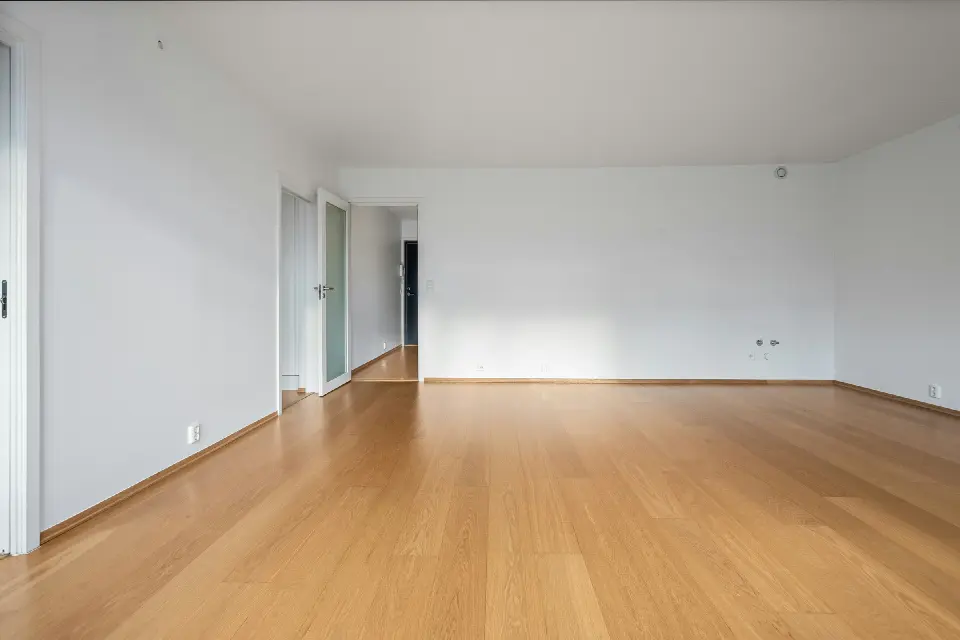
Moving out raises the same question in almost every home: is that mark fair wear and tear, or is it damage? The answer matters, because in Victoria a rental provider cannot claim bond for fair wear and tear — but can claim for damage, and for cleaning if the property is not reasonably clean.
Cleaning sits between the two. Some marks that look like damage come off with a proper clean. Others are wear that no clean will change. A few are damage that cleaning cannot hide.
How Victoria draws the line
Consumer Affairs Victoria’s guideline describes fair wear and tear as deterioration from everyday use or natural forces, such as sunlight. Damage is harm caused on purpose or through carelessness — including by visitors — and wear made worse by neglect or misuse.
The guideline’s examples:
| Item | Fair wear and tear | Damage |
|---|---|---|
| Walls | Minor marks or scuffs | Holes or missing paint from hooks, nails or shelves the renter put up |
| Curtains and blinds | Faded from the sun | Stained or ripped |
| Carpet | Traffic paths, worn or faded areas | Burns, stains from pots or pets, urine stains |
| Timber floors | Light scuffs | Deep scratches or gouges |
| Walls and skirting (pets) | Minor scuffs | Claw or bite marks |
What cleaning can fix
These are cleaning problems, not damage, and they are worth dealing with before the inspection:
- Scuffs and fingerprints on walls, doors and skirting boards — most lift with a gentle wipe. Test a hidden spot first; some flat paints polish or lose colour when rubbed.
- Grease on the cooktop, rangehood and inside the oven.
- Soap scum and water marks on shower screens and tapware.
- Dust and cobwebs on blinds, sills, light fittings within reach and window tracks.
- Pet hair and many surface stains in carpet — often improved by steam cleaning. Our article on carpet stains explains which ones usually respond.
What cleaning cannot fix
- Sun-faded curtains, blinds or carpet — the colour has gone, not the dirt.
- Worn carpet in walkways — the pile is flattened, not soiled.
- Holes, chips and gouges — these need a repair, not a clean.
- Permanent dye stains — some stains, such as certain inks or bleach marks, change the fibre itself.
Scrubbing hard at wear can make it look worse, so it is better to leave it and point to the entry condition report.
Use the condition reports
The entry condition report is your best evidence that a mark was already there. Compare it with the property before you clean, take dated photos afterwards, and be present for the exit inspection if you can. Our guide to the exit condition report covers the steps.
Getting it clean before the inspection
The standard you need to meet is reasonably clean, not perfect. If you would rather hand the cleaning over, our end of lease clean covers the kitchen, bathrooms, skirting, doors, switches, interior windows within reach and floors. Wall washing for scuff marks and carpet steam cleaning can be added per room. A two-bedroom apartment is $383.90 incl. GST including GST in the instant quote calculator.
This article is general information, not legal advice. For a bond dispute, contact Consumer Affairs Victoria or Rental Dispute Resolution Victoria.
Ready for a price?
See exactly what our end of lease cleaning includes, or go straight to the next step.
Or call 0466 699 276 · WhatsApp us
Sources
- Consumer Affairs Victoria — Guideline 3: Damage and fair wear and tear (Word document)
- Consumer Affairs Victoria — Moving out of a rental property
Rules change. Check the official source for your situation; this guide is general information, not legal advice.