
Spring is when most Melbourne homes get the clean that the rest of the year skips: the tops of cupboards, the window tracks, the oven, the things behind the fridge. This checklist sorts those jobs by room and puts them in an order that stops you cleaning the same surface twice.
It is written for a normal home clean, not for moving out. If you are leaving a rental, our end of lease checklist covers what the exit inspection looks at.
Before you start: the order that saves time
Work top to bottom and dry to wet. Dust falls, so ceilings, light fittings and the tops of cupboards come first, and floors come last. Do the dry jobs (dusting, vacuuming) in a room before the wet ones (wiping, mopping), or the dust turns into smears.
A few things make the day easier:
- Open the windows. Fresh air helps surfaces dry and clears product smells.
- Put everything you will need in one caddy so you are not walking back and forth.
- Clear benches and floors first. Cleaning around clutter takes twice as long.
Whole house
- Cobwebs from ceiling corners, cornices and light fittings
- Ceiling fan blades (a pillowcase slipped over each blade catches the dust)
- Tops of doors, door frames, picture rails and skirting boards
- Light switches, power points and door handles
- Window sills and window tracks (vacuum the grit before wiping)
- Inside of windows and glass doors
- Air-conditioner and heater vent covers, if they come off easily
- Under and behind furniture you can move safely
Kitchen
The kitchen takes longest because of built-up grease.
- Rangehood filter (many can be soaked in hot soapy water — check the manual)
- Oven, racks and oven door glass
- Cooktop and the wall or splashback behind it
- Inside cupboards and drawers: empty, wipe, check use-by dates
- Fridge: shelves, door seals, and the floor underneath and behind it if it slides out
- Microwave, kettle and toaster crumbs tray
- Sink, taps and the plug hole
Bathrooms and laundry
- Shower screen, tiles and grout
- Exhaust fan cover (dust here stops it working well)
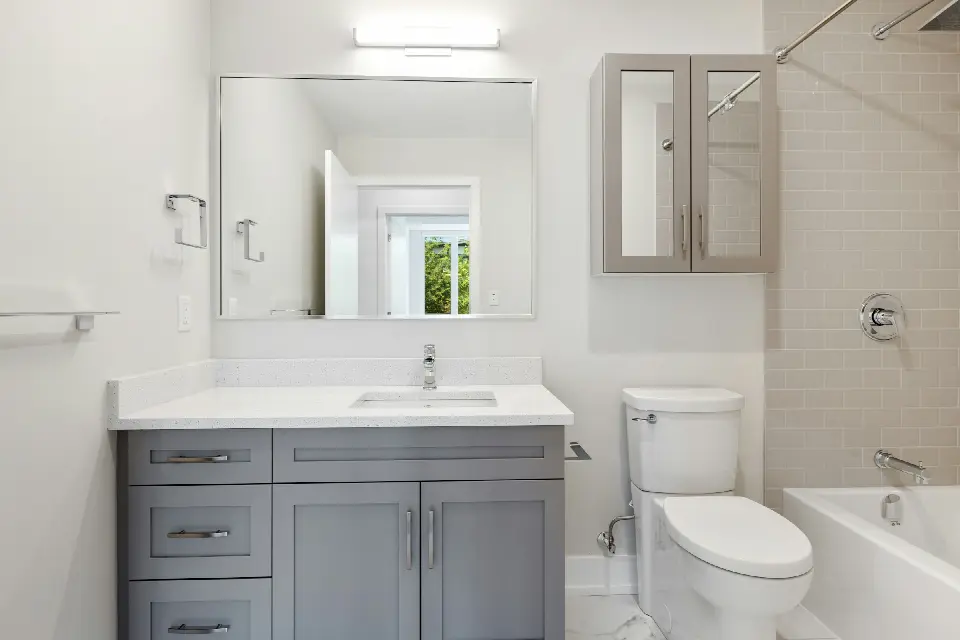
- Vanity drawers and the cabinet behind the mirror
- Toilet, including the base and behind it
- Laundry tub, the lint filter, and behind the washing machine
If you find mould, the Better Health Channel’s advice is to deal with the moisture first, ventilate the room, and avoid dry-brushing the mould because that spreads spores. For small areas, household detergent or white vinegar is often enough. Large areas that keep coming back are a job for a specialist.
Bedrooms and living areas
- Wardrobes: shelves, rails, and the floor inside
- Mattress: vacuum it, and rotate or flip it if the maker recommends it
- Curtains and blinds (check the label before washing)
- Couch: vacuum under the cushions and along the seams
- Bookshelves and entertainment units
Floors last
- Vacuum everywhere, including edges and under furniture
- Mop hard floors with a cleaner suited to the surface
- Carpets and rugs: spring is a common time for a steam clean — our guide on how often carpets should be cleaned explains the usual intervals
Two safety rules worth keeping
Never mix cleaning products. The Better Health Channel warns that bleach mixed with ammonia, acids or other cleaners can release hazardous chlorine or chloramine fumes. Use one product at a time, rinse between them, and keep the room ventilated.
Be careful on ladders. For high cobwebs, fans and the tops of cupboards, the Better Health Channel’s ladder advice is simple: ladder on dry, firm, level ground; three points of contact; someone else at home; and climb down to move the ladder rather than leaning out.
How long a spring clean takes
For most homes it is a full day or a weekend, not an afternoon. The kitchen alone can take a few hours if the oven and range hood have not been done for a year. Two ways to make it manageable:
- One zone a weekend. Kitchen one weekend, bathrooms and laundry the next, then bedrooms and living areas. Each part stays done while you move to the next.
- Split it. Do the quick jobs yourself (cupboards, decluttering, wardrobes) and hand the slow, greasy ones to a cleaner: the oven, range hood, shower screens and windows.
When to spring clean in Melbourne
September to November suits most homes: the heating is going off, the windows can stay open so surfaces dry, and pollen and winter grime are easy to see in the brighter light. Outdoor jobs such as paving and decks are best once the weather is dry enough for surfaces to dry the same day; moss and algae on paving after winter explains why.
If you would rather hand it over
A spring clean is a good time to book a one-off deep clean — see what a deep clean includes and costs. Our home cleaning service covers kitchens, bathrooms, living areas and floors, and the calculator shows your price before you book — a one-bedroom apartment starts at $141.90 incl. GST. Ovens, inside windows and extras are listed separately so you can choose what to include.
Things a home clean does not include: moving heavy furniture, washing or ironing clothes, and outside windows above ground level. Mould that covers a large area or keeps coming back needs a specialist. If you are not sure whether something is included, ask before you book and we will tell you.
Common questions
What is the difference between spring cleaning and a regular clean? A regular clean keeps on top of surfaces, kitchens, bathrooms and floors. A spring clean adds the once-a-year jobs: inside cupboards, the oven, window tracks, skirting boards, light fittings and the things behind appliances.
What should I spring clean first? Declutter first, then work top to bottom in each room, and do the floors last.
Is spring cleaning the same as a deep clean? Mostly. A professional deep clean covers the same build-up, room by room, and you can add the oven, fridge and interior windows as extras.
- Mopping Tile Floors: How to Avoid Streaks and Sticky Residue — Sticky tiles usually mean too much detergent. How to mop properly.
- How to Clean an Apartment Balcony Without Upsetting the Neighbours — Water from your balcony lands on someone else. A low-water way to clean it.
- Cleaning Split System Air Conditioner Filters: What You Can Do Yourself — Dusty filters cut airflow. What you can clean yourself, and what to leave alone.
Ready for a price?
See exactly what our regular and deep home cleaning includes, or go straight to the next step.
Or call 0466 699 276 · WhatsApp us
Sources
- Better Health Channel (Victorian Department of Health) — Mould removal at home
- Better Health Channel (Victorian Department of Health) — Ladder safety
Rules change. Check the official source for your situation; this guide is general information, not legal advice.